AI
What Grokipedia Says About Science
Wikipedia's value is in its shared, if imperfect, factual reality, with edits tracked in public and editors who are, for all their biases, still human.
AI
Wikipedia's value is in its shared, if imperfect, factual reality, with edits tracked in public and editors who are, for all their biases, still human.
Our research
Half the world now uses generative AI assistants (Stanford HAI, 2026). Many of the queries ordinary people ask land on questions about science, including the contested-science topics this newsletter covers. So we decided to check something simple: how do these everyday AI assistants answer? Do they give consistent answers?
AI
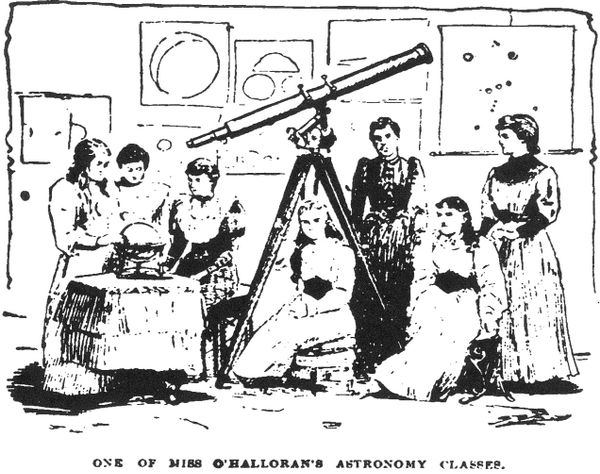
This essay is part of Observing AI Entering Astrophysics series. Astronomy apprenticeship in the United States is facing a perfect storm. Federal funding for graduate training has contracted sharply: NSF Graduate Research Fellowship Program awards in physics and astronomy were cut roughly in half in 2025, and the proposed FY2026
AI
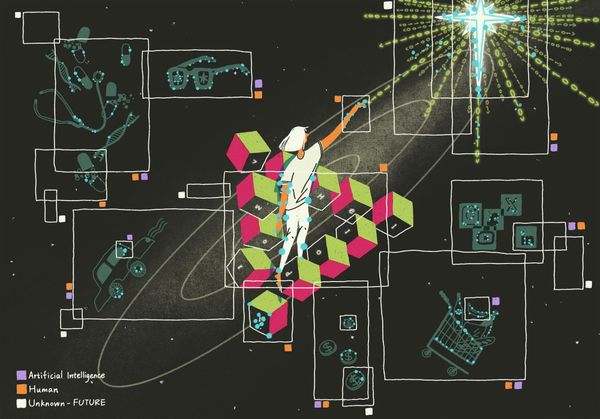
Astronomy may be the natural science which AI rewires first. Its infrastructure is unusually open. Most data is public. The scientific record is mostly open through online preprint servers. Core software is open-source. Nearly every step of the workflow is digitalized. This reduces friction for AI agents to participate.
AI
Self-correction is fundamental to science. One of its most important forms is peer review, when anonymous experts scrutinise research before it is published. This helps safeguard the accuracy of the written record. Yet problems slip through. A range of grassroots and institutional initiatives work to identify problematic papers, strengthen