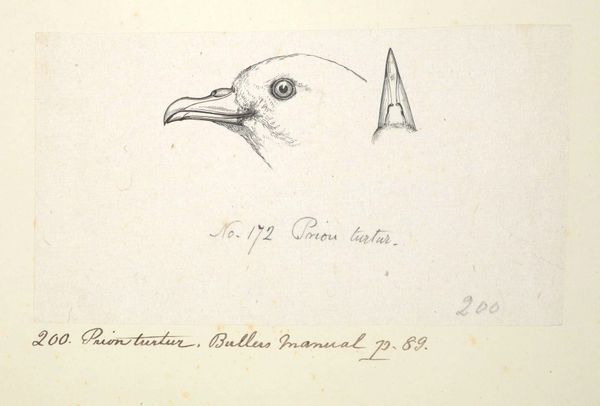
When starving birds started eating plastic
Seabirds picked up off Wellington beaches between 1958 and 1977 turned out to hold a record of the decade plastic arrived in the ocean.
Seabirds picked up off Wellington beaches between 1958 and 1977 turned out to hold a record of the decade plastic arrived in the ocean.

What is an acceptable risk? We, as individuals, can adopt different operational heuristics for handling risk in our daily lives, when it comes to personal, financial or health choices. But environmental and pollution issues affect whole communities, or even the whole planet, so we have to arrive at some common

What does it mean for a chemical to be safe? The chemical industry as we know it is largely a child of the Second World War. The capacities built for the war effort — synthetic organic chemistry at industrial scale, nerve-agent research having common origin with pesticide research, polymer and
The editor told us that we were the first ones to ask for retraction.

We asked five AI models to replay 50 years of EPA decisions on glyphosate: in 90 runs, not one recommended a softer course than the agency took, and most called for stricter regulation.
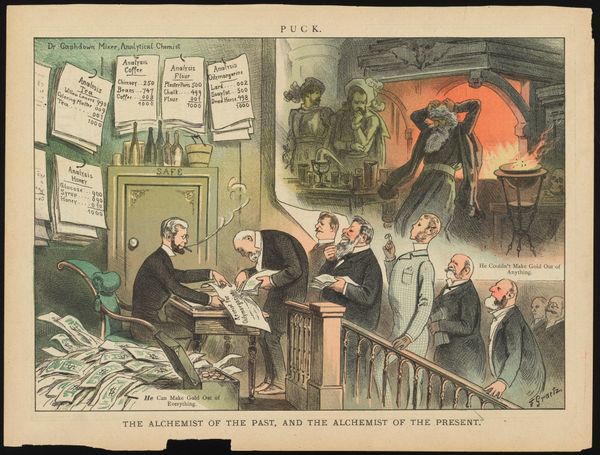
The origin of the threshold below which a chemical in food need not be tested

Texas sets its own limits for hundreds of industrial chemicals. Where they can be compared with EPA's and ATSDR's, 36 of 41 come out the same or weaker. The reasoning is buried in thousands of pages of assessment.
Seabirds picked up off Wellington beaches between 1958 and 1977 turned out to hold a record of the decade plastic arrived in the ocean.
On 24 July 2026, Syngenta announced it was withdrawing every paraquat product it sells in Australia and New Zealand. The reason given by the company's managing director for the region was not safety: “Regulatory constraints, combined with a highly complex and increasingly expensive supply chain, have made the

The word “hallucination” has gotten a lot of mixed rep in science. “Hallucinated” references are a tell of lousy research, and vibe-written papers flooding the journals. At the same time, the word was used in the 2024 Nobel-winning method for deep-network “hallucinating” of proteins (Anishchenko et al.
What is an acceptable risk? We, as individuals, can adopt different operational heuristics for handling risk in our daily lives, when it comes to personal, financial or health choices. But environmental and pollution issues affect whole communities, or even the whole planet, so we have to arrive at some common

In this piece for The Conversation NZ, I show how bad science (manufactured mostly in the US) penetrates regulation worldwide, and how small countries without their own research capacity become dependent on it. New Zealand's approval of Roundup rests on three Monsanto-shaped reviews we've written

In a new piece in Science, Naomi Oreskes argues that the postwar bargain between American science and the federal government can no longer be taken for granted. As public funding falters, private money is moving to fill the gap. That brings a familiar risk: funders quietly reshaping the research agenda.
What does it mean for a chemical to be safe? The chemical industry as we know it is largely a child of the Second World War. The capacities built for the war effort — synthetic organic chemistry at industrial scale, nerve-agent research having common origin with pesticide research, polymer and

Wikipedia's value is in its shared, if imperfect, factual reality, with edits tracked in public and editors who are, for all their biases, still human.
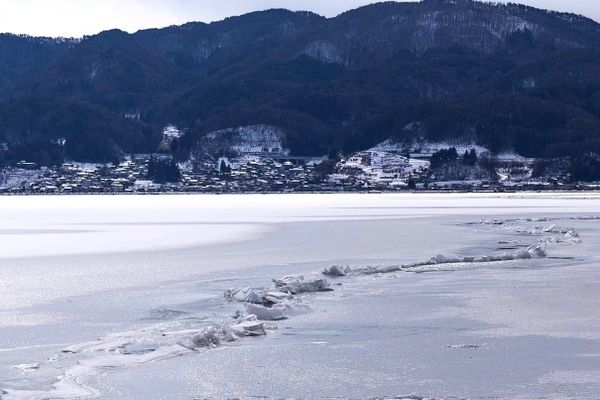
Records kept for harvests, gods, festivals, and trade now tell us about the changing climate.