Unspoken Crisis: What Our Analysis of 700,000 U.S. Catholic Services Did Not Find

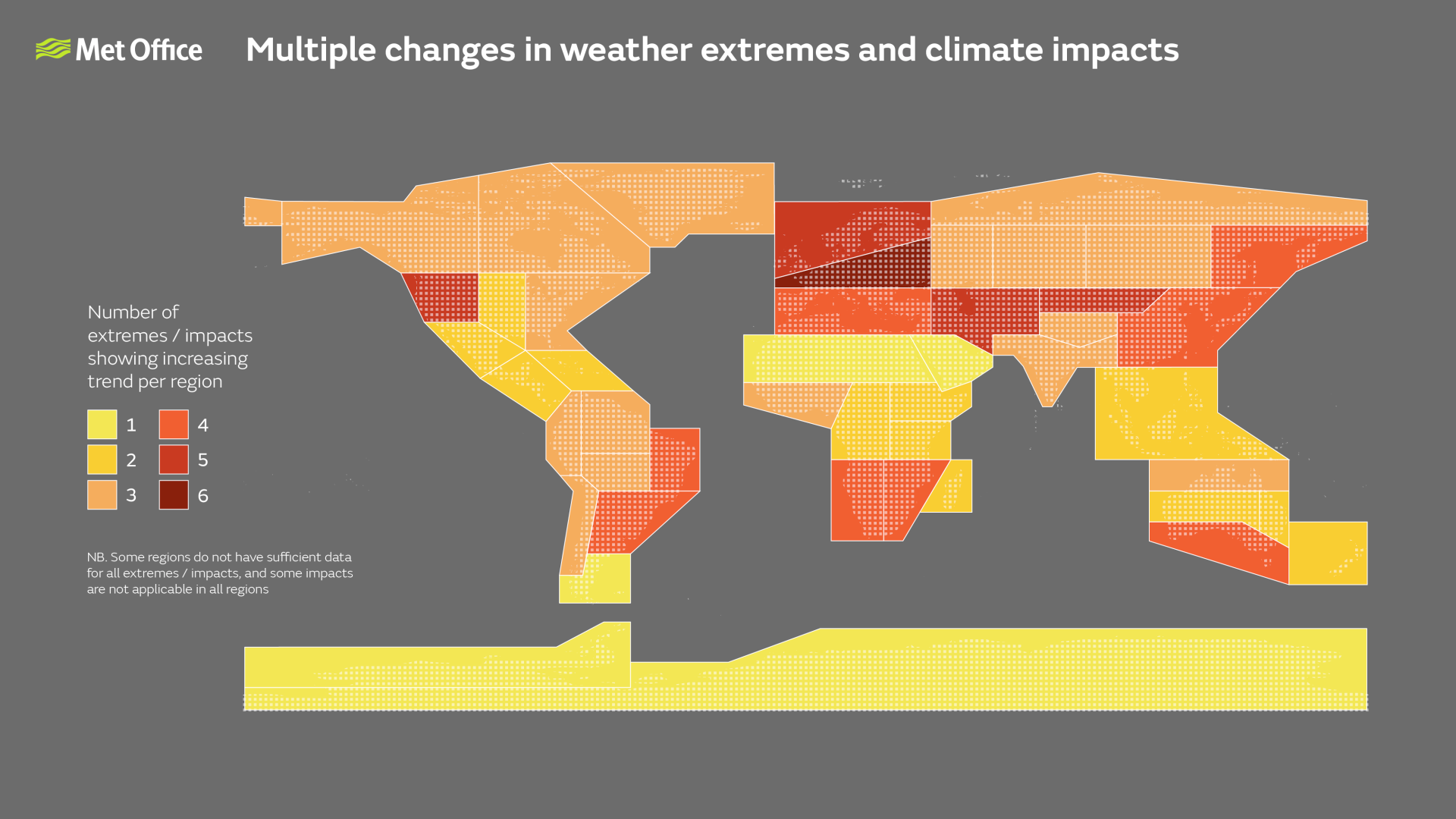
Climate change is no longer a distant “global issue.” It is local emergencies that carry the names of friends and neighbors. Heat waves, wildfires, flash floods, and other extreme weather events are becoming more frequent worldwide and more attributable to climate change. And yet, hardly anyone is talking about it, not even our spiritual leaders, who we might expect to care about an issue so salient to our well being.
Most people are not climate scientists. We learn about climate risk through intermediaries: government, public services, schools, employers, civic groups, and faith communities.
During the pandemic, worship moved online and created a public archive of preaching. We collected and analyzed transcripts from more than 700,000 U.S. Catholic services. We also built comparison samples from Southern Baptist, Presbyterian Church (USA), and United Church of Christ congregations. In U.S. political shorthand, Southern Baptists are often cast as more conservative, and Presbyterians/UCC as more liberal.
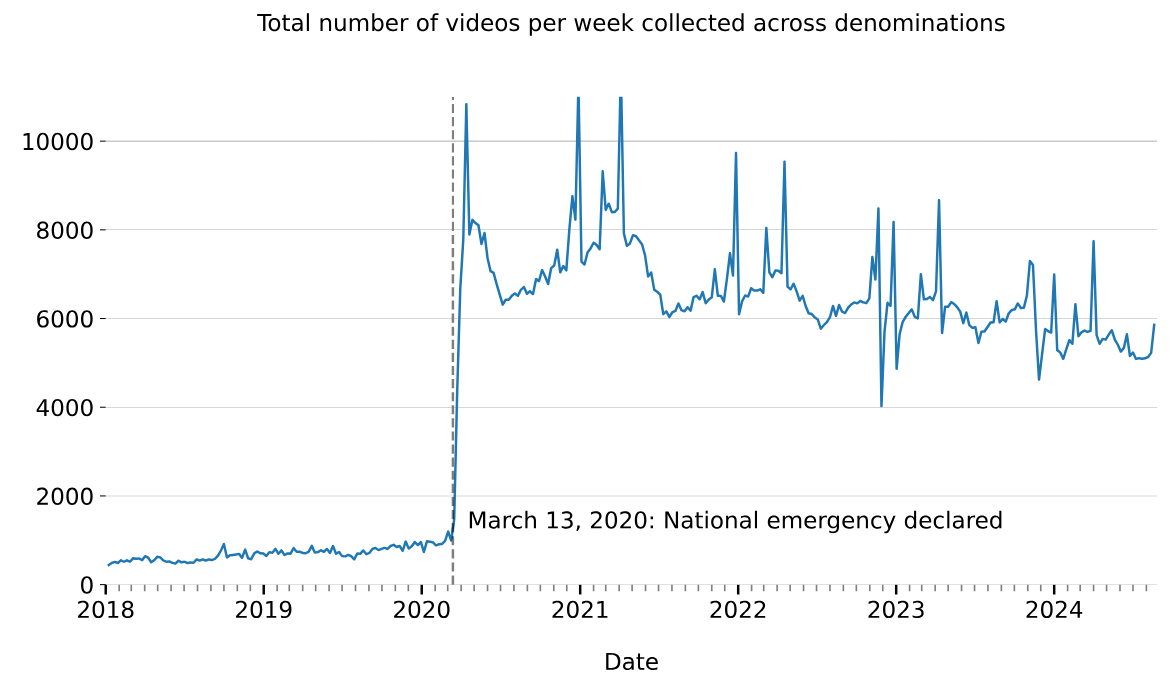
We asked a simple question: how often did Christians hear about climate change at church?
Rarely. In the Catholic corpus, climate change scarcely appeared (Kaurov et al., 2025). The comparison traditions were similar. Presbyterian and UCC services mentioned it more than Southern Baptist services, but even there mentions were sparse and sustained engagement was rare. The main pattern was silence, not controversy.
We focus on Catholics because Catholicism has centralized leadership and a tradition of social teaching. Pope Francis’s climate teaching—especially Laudato Si’ (2015) and Laudate Deum (2023)—was expected to move from Rome to dioceses and into parish life. Our results suggest that this translation has not reached most homilies, at least not yet.
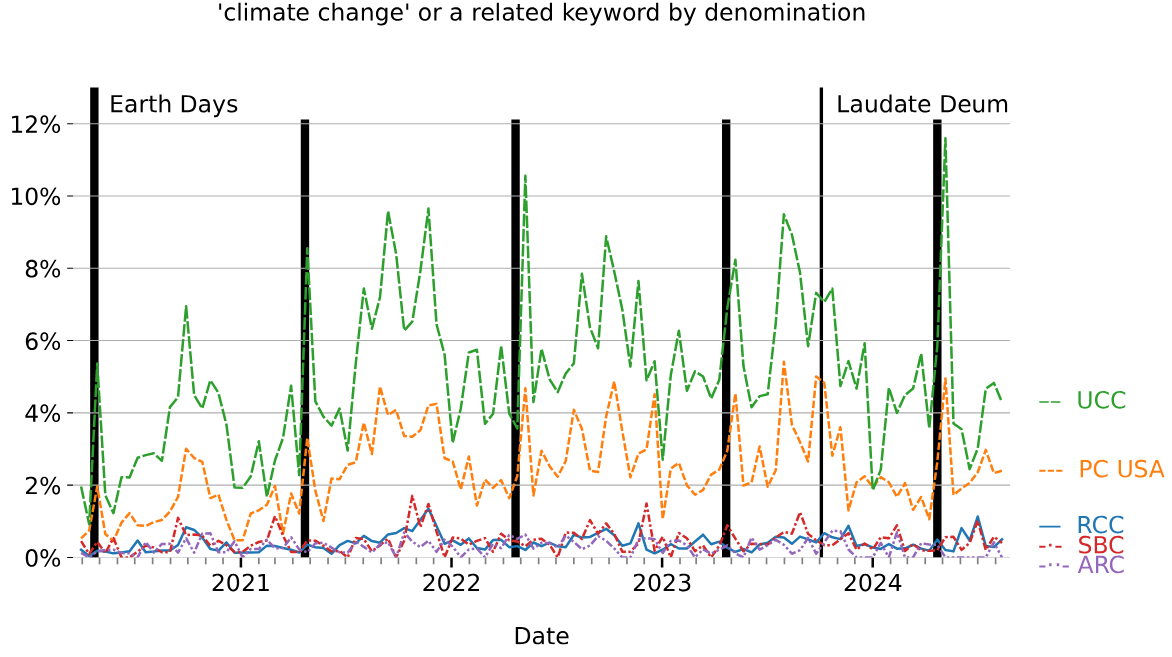
Silence is not neutral. About one in five U.S. adults identifies as Catholic (Pew Research Center, 2025). Religious affiliation and religious engagement are closely aligned with partisan identity in the United States (Pew Research Center, 2025). Climate change is strongly polarized along party lines, including among Catholics (Diamant, 2023). Survey research indicates that most U.S. Christian leaders accept anthropogenic climate change but often do not address it publicly in their congregations (Syropoulos & Sparkman, 2025). In this context, avoidance of the topic in parish life is plausible, whether for strategic, pastoral, or political reasons.
The cost of silence is clearest when other channels fail.

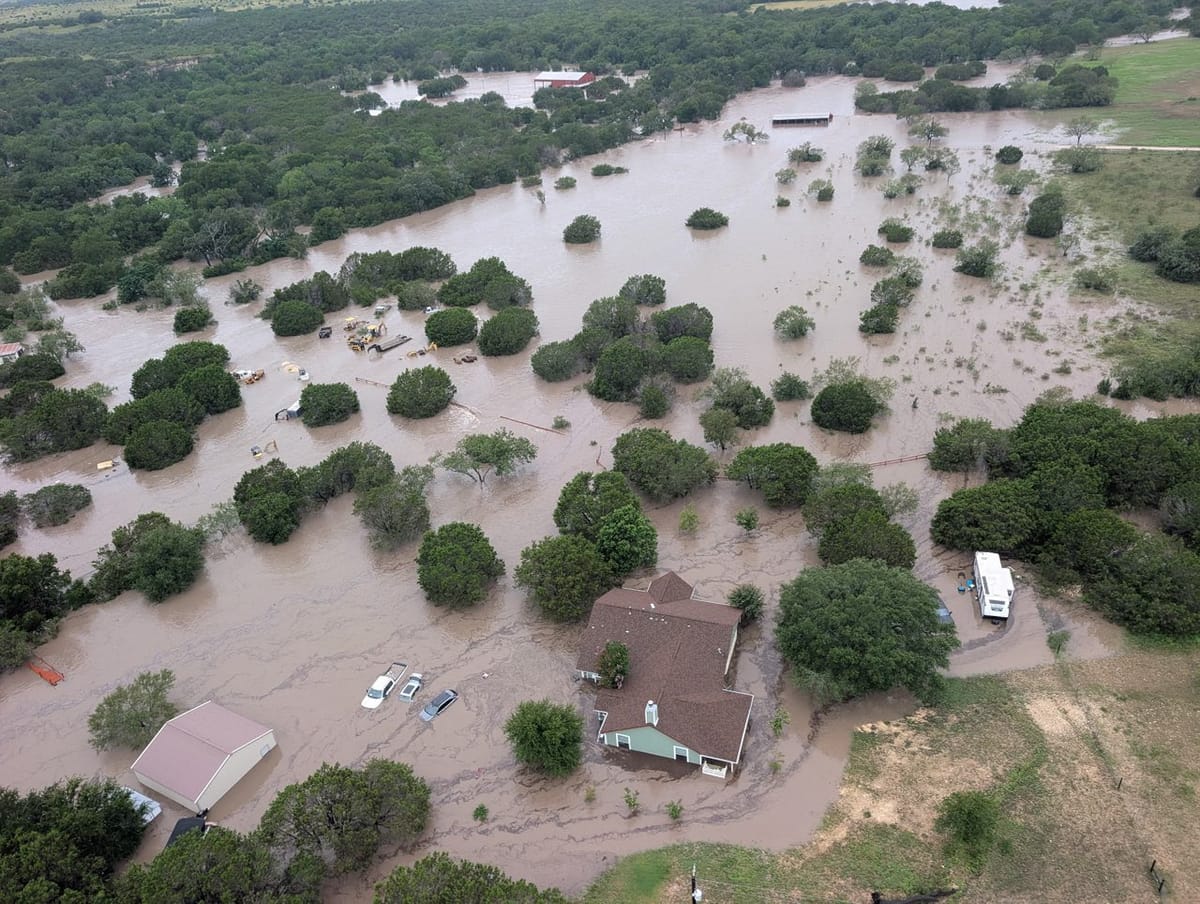
“Flash Flood Alley” encodes in its name more than a century of experience and recurring tragedy. The July 4, 2025 Central Texas flood exposed a governance gap: places with known risk still lacked warning systems and emergency infrastructure (Hennessy-Fiske, 2025; Nguyen, 2025). The public record includes a commissioner who resisted even basic measures. One remark from 2017 town meeting captured the posture:
The thought of our beautiful Kerr County having these damn sirens going off in the middle of [the] night, I'm going to have to start drinking again to put up with y'all. (ABC News, 2025)
When governance and warning systems fail, communities look for other sources of coordination and meaning. In a religious region with Catholic and Southern Baptist presence, churches could be an additional channel: naming foreseeable risk, resisting “nobody could have known,” and reinforcing obligations to protect vulnerable people before disaster.
While there is recognition of climate change at the top of the church and among U.S. Christian leaders, this belief often does not translate into preaching or parish discussion. If top-down messaging stalls, parishioners can ask for sermons and practical guidance on climate risk, preparedness, and care for vulnerable neighbors. Silence is itself a vulnerability.